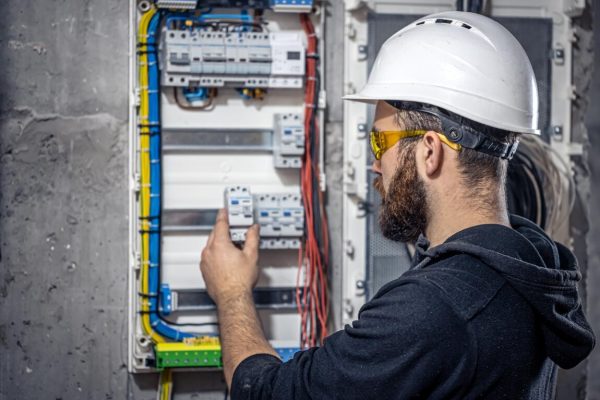
Participants learn the basics of electrical control circuits, including how to read electrical schematics and ladder diagrams. They also cover fundamental electrical principles, such as the flow of electricity, the function of switches, and the role of transformers.
This training is designed for electricians, maintenance personnel, engineers, construction workers, and anyone who might be exposed to electrical hazards in their work.
The primary goal is to ensure worker safety by minimizing the risk of electrical accidents, such as shocks, burns, and arc flashes. It also aims to promote a culture of safety within organizations.
Hands-on training in basic electricity provides a practical and interactive approach to understanding electrical concepts. Here’s a brief overview
Fundamental Concepts
Participants start by learning the basics of electricity, including Ohm’s Law, voltage, current, and resistance. They also explore series and parallel circuits.
The training involves building and testing simple electrical circuits using modular components. This hands-on approach helps solidify theoretical knowledge through real-world application.
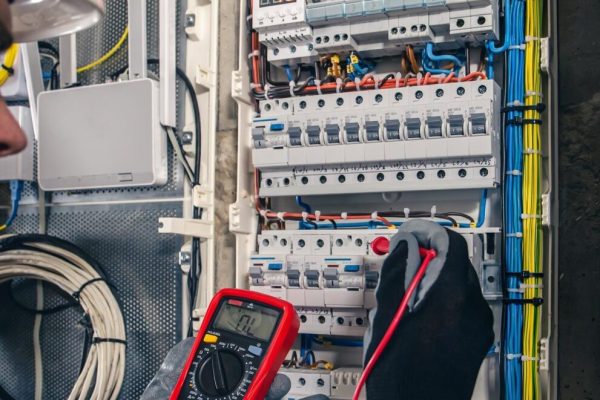
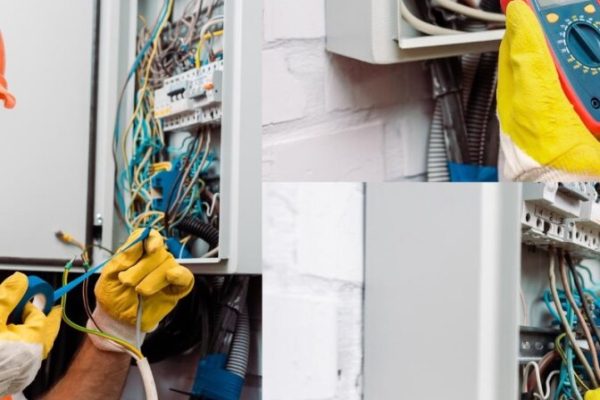
Participants learn to use multimeters and other testing equipment to measure voltage, current, and resistance. They practice verifying circuits are de-energized and diagnosing common electrical faults.
Emphasis is placed on electrical safety, including the proper use of personal protective equipment (PPE) and understanding lockout/tagout (LOTO) procedures.
The skills gained are applicable to various settings, such as industrial plants and commercial buildings. This training is beneficial for maintenance technicians, non-electrical personnel, and even experienced electricians looking for a refresher.
Electrical thermal inspection training, often referred to as infrared thermography training, equips participants with the skills to use thermal imaging technology for inspecting electrical systems. Here’s a brief overview
Introduction to Thermal Imaging
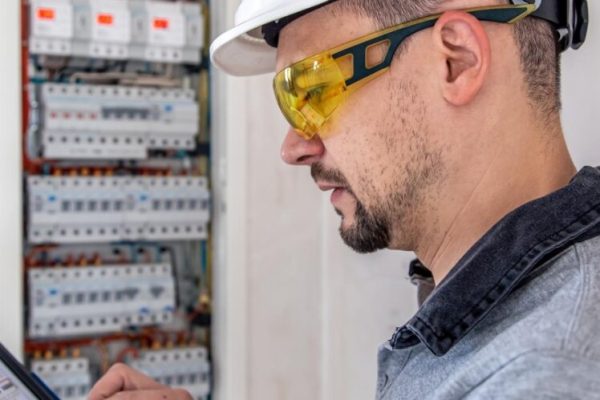
Participants learn the basics of thermal imaging and how it applies to electrical inspections. This includes understanding heat transfer principles and the operation of infrared cameras.
Training covers how to collect quality thermal data, account for factors like emissivity and reflected temperature, and interpret thermal images to identify electrical faults.
The course includes hands-on exercises where participants inspect various electrical components such as switchgear, motor control centers, transformers, and breakers. They learn to recognize typical thermal patterns associated with electrical issues.
Emphasis is placed on electrical inspection safety, including proper use of personal protective equipment (PPE) and understanding the safety protocols for working with live electrical systems.
Many programs offer certification upon completion, such as Level I Infrared Thermography Certification, which is recognized in the industry.This training is ideal for electricians, maintenance personnel, and anyone involved in predictive maintenance or condition monitoring of electrical systems.
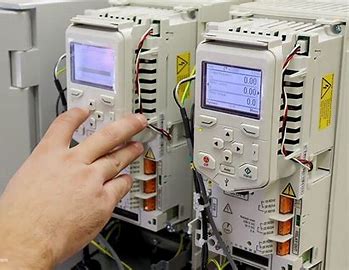
Hands-on training for Variable Frequency Drives (VFD), Programmable Logic Controllers (PLC), and Human-Machine Interfaces (HMI) provides practical experience in industrial automation. Here’s a brief overview
Variable Frequency Drives (VFD)
Configuration and Control
Participants learn to set up and program VFDs to control motor speed and torque. This includes understanding VFD parameters and how to adjust them for different applications.
Participants learn to create intuitive HMI screens for process visualization and control. This includes using HMI software tools to design graphical interfaces.
The training often culminates in projects that integrate VFDs, PLCs, and HMIs. Participants design, program, and troubleshoot complete automation systems, gaining a holistic understanding of how these components work together.
Lockout/Tagout (LOTO) training is essential for ensuring the safety of workers who service and maintain machinery and equipment. Here’s a brief overview
articipants learn the basics of thermal imaging and how it applies to electrical inspections. This includes understanding heat transfer principles and the operation of infrared cameras.
Purpose
The primary goal of LOTO training is to prevent accidental energization or release of stored energy, which could cause injuries during maintenance or servicing.
Understanding Hazardous Energy: Participants learn about different types of hazardous energy (electrical, mechanical, hydraulic, etc.) and how they can pose risks.
Training covers the step-by-step procedures for safely shutting down and isolating equipment. This includes applying locks and tags to energy-isolating devices to ensure they remain in a safe state.
Practical exercises involve applying LOTO procedures to real or simulated equipment. This hands-on component helps reinforce theoretical knowledge and ensures participants can perform LOTO correctly.
Training includes an overview of OSHA standards and requirements for LOTO, ensuring participants understand the legal aspects and their responsibilities.
Many programs offer certification upon successful completion, demonstrating that participants are qualified to perform LOTO procedures safely.This training is crucial for maintenance personnel, electricians, and anyone involved in servicing machinery to ensure a safe working environment.
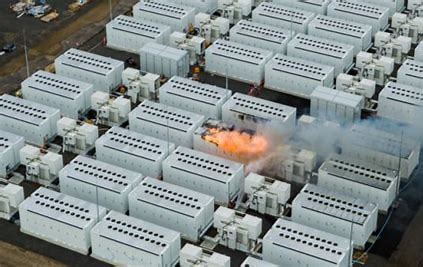
Energy Storage Systems (ESS) safety training is crucial for ensuring the safe handling, operation, and maintenance of these systems. Here’s a brief overview
Introduction to ESS
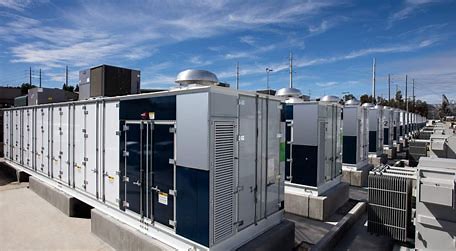
Participants learn about different types of energy storage systems, such as lithium-ion batteries, flow batteries, and other emerging technologies. The training covers the basic principles of how these systems store and release energy.
The course emphasizes recognizing potential hazards associated with ESS, including chemical, thermal, and electrical risks. Participants learn to identify signs of malfunction or failure that could lead to dangerous situations.
Training includes detailed procedures for safely working with ESS. This covers the use of personal protective equipment (PPE), safe handling practices, and emergency response protocols.
Understanding the importance of thermal management in preventing overheating and thermal runaway is a key component. Participants learn techniques for monitoring and controlling the temperature of ESS.
The training prepares participants to respond effectively to ESS-related emergencies, such as fires or chemical leaks. This includes evacuation procedures, first aid, and coordination with emergency services.
Participants are informed about relevant regulations and standards, such as those from OSHA and NFPA, ensuring they understand the legal requirements for ESS safety.
Practical exercises involve inspecting and maintaining ESS, using thermal imaging cameras, and performing safety drills. This hands-on component helps reinforce theoretical knowledge and ensures participants can apply safety practices in real-world scenarios.
These are the most common OSHA Outreach Training Programs. The 10-hour course is intended for entry-level workers, while the 30-hour course is for supervisors or workers with safety responsibilities.