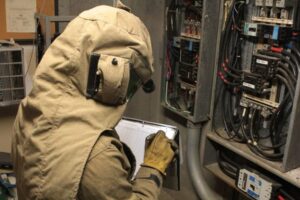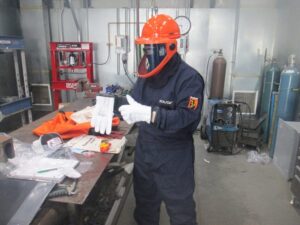
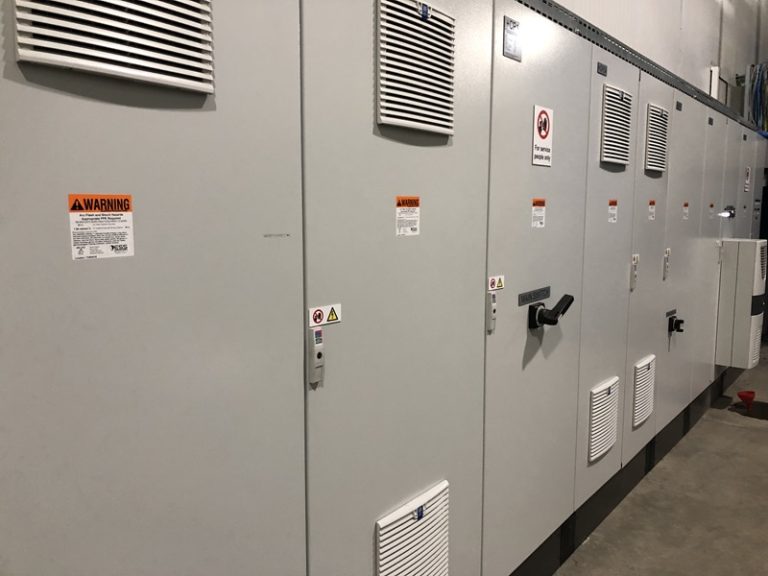
An arc flash risk assessment is a vital step in protecting your employees, ensuring regulatory compliance, and safeguarding your bottom line. An arc flash is a dangerous electrical event that can result in serious injuries, significant downtime, and substantial financial losses. It occurs when an electrical current leaves its intended path and travels through the air from one conductor to another or to the ground. This event can release a dangerous amount of energy in the form of heat, light, and pressure waves. The consequences can be devastating, causing severe burns, injuries, and even fatalities. Additionally, arc flashes can result in extensive equipment damage and operational disruptions. To mitigate these risks, businesses must conduct a thorough arc flash risk assessment.

An arc flash risk assessment is a comprehensive analysis conducted to evaluate the potential hazards associated with electrical equipment and systems. The key components include:
- Data Collection: Gathering detailed information about the electrical system, including equipment specifications, system configuration, and maintenance history.
- System Modeling: Using specialized software, a detailed model of the electrical distribution system is created. This model helps identify potential points of failure and areas of concern.
- Fault Analysis: Performing calculations to determine the available fault current at various points in the system. This step helps in assessing the severity of potential arc flash incidents.
- Arc Flash Hazard Analysis: Estimating the incident energy levels and identifying the potential arc flash boundaries. This analysis helps determine the level of personal protective equipment (PPE) required for workers.
- Labeling and Documentation: Provide detailed electrical equipment labels that indicate the arc flash hazard levels, required PPE, and approach boundaries.
- Mitigation Strategies: Recommending measures to reduce the risk of arc flash incidents. These can include upgrading to arc-resistant equipment, implementing more frequent equipment inspections, and conducting regular maintenance checks. Additionally, employee training programs can be tailored to specific job roles and potential hazards.
Preventing Costly Accidents and Downtime
Here’s how it can benefit your organization:
- Employee Safety: Ensuring the safety of your employees is paramount. An arc flash risk assessment identifies potential hazards and provides guidelines for safe work practices, significantly reducing the risk of injuries and fatalities.
- Regulatory Compliance: Adhering to safety standards and regulations, such as NFPA 70E and OSHA requirements, is essential for avoiding penalties and legal issues. An arc flash risk assessment helps ensure compliance with these standards.
- Operational Continuity: Electrical incidents can lead to prolonged downtime, affecting productivity and profitability. You can prevent unexpected interruptions and maintain smooth operations by identifying and mitigating arc flash risks.
- Cost Savings: Investing in an arc flash risk assessment can save your organization from the high costs associated with accidents, including medical expenses, legal fees, equipment repairs, and lost productivity. This proactive approach can provide a sense of financial security and confidence in your business operations.